—
Egyptian Marble vs Turkish Marble: Which is Better?
Marble has been a symbol of luxury and elegance throughout history, adorning everything from ancient Egyptian temples to modern-day architectural masterpieces. When considering marble options for your next high-end project, two premier sources come to mind: Egyptian marble and Turkish marble. But which one is better suited for your needs? In this comprehensive guide, we’ll delve deep into the qualities, advantages, and uses of both Egyptian and Turkish marble to help you make an informed decision.
Understanding Egyptian Marble
Egyptian marble, renowned for its exceptional quality and timeless beauty, is extracted from some of the world’s oldest and most prestigious quarries. At the forefront of this industry is Malek Stone, an Egyptian company dedicated to exporting premium natural stones, including Galala, Sunny, Silvia, Trista, and Fleto marble varieties. Egyptian marble is highly valued for its durability, versatility, and aesthetic appeal, making it a popular choice for construction companies, luxury hotel developers, and interior designers worldwide.
The Unique Characteristics of Egyptian Marble
- Durability and Strength: Egyptian marble is known for its hard-wearing nature, making it ideal for high-traffic areas like flooring and countertops.
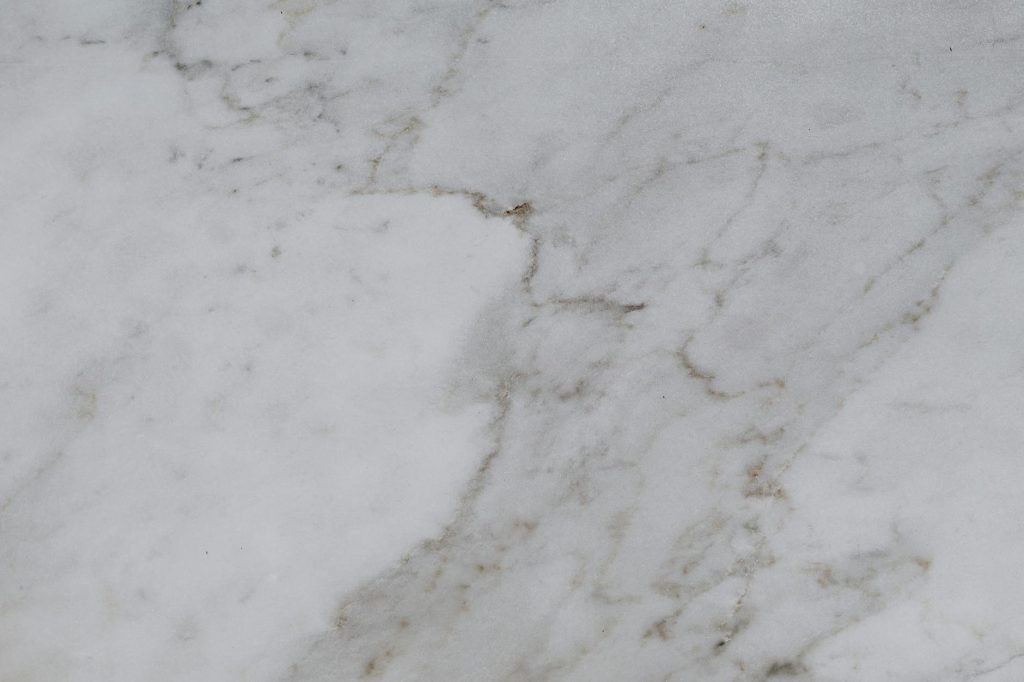
- Aesthetic Appeal: The natural veining and color variations in Egyptian marble, such as those found in Galala and Trista varieties, add a touch of elegance to any space.
- Versatility: With a range of finishes available, from polished to honed, Egyptian marble can be tailored to suit both contemporary and traditional designs.
For more detailed information on Egyptian marble types, visit our Complete Guide to Egyptian Marble Types.
Exploring Turkish Marble
Turkish marble, sourced from the abundant quarries throughout Turkey, is another popular choice in the natural stone market. Known for its variety and affordability, Turkish marble offers a wide range of colors and patterns that cater to diverse aesthetic preferences.
Key Features of Turkish Marble
- Wide Range of Colors: Turkish marble is available in a plethora of hues, from pristine whites to deep reds and greens, providing ample design flexibility.
- Cost-Effectiveness: Often more affordable than other premium marbles, Turkish marble provides excellent value, especially for large-scale projects.
- Ease of Availability: With extensive quarrying operations, Turkish marble is readily available, ensuring timely procurement and project completion.
Egyptian Marble vs Turkish Marble: A Comparative Analysis
Aesthetic Differences
While both Egyptian and Turkish marbles offer exquisite beauty, their aesthetic differences cater to varying tastes. Egyptian marble, with its subtle veining and warm tones, is often preferred for its classic look, while Turkish marble’s bold patterns and diverse colors appeal to those seeking a more dramatic effect.
Durability and Maintenance
Egyptian marble is celebrated for its superior durability, making it less susceptible to chips and scratches over time. Turkish marble, though durable, may require more frequent sealing to maintain its appearance, especially in moisture-prone areas.
Pricing Considerations
Pricing can be a significant factor when choosing between Egyptian and Turkish marble. While Turkish marble can be more budget-friendly, the long-term benefits of investing in Egyptian marble, such as its longevity and minimal maintenance, can outweigh initial cost savings.
Practical Tips for Choosing the Right Marble
- Assess Your Project Needs: Consider the intended use of the marble in your project. For high-traffic areas, the durability of Egyptian marble may be advantageous.
- Evaluate Aesthetic Preferences: Decide whether you prefer the classic elegance of Egyptian marble or the vibrant options offered by Turkish marble.
- Budget Planning: Factor in not only the initial cost but also long-term maintenance when budgeting for your marble selection.
For those looking to import Egyptian marble, our detailed Import Galala Marble from Egypt: Step-by-Step Guide provides essential insights into the process.
FAQs
What are the main differences between Egyptian and Turkish marble?
Egyptian marble is known for its durability and subtle elegance, while Turkish marble offers a broader range of colors and is often more affordable. Your choice should be guided by project requirements and aesthetic preferences.
How can I ensure the quality of Egyptian marble?
Partnering with reputable exporters like Malek Stone ensures you receive high-quality Egyptian marble. We provide full export documentation and adhere to stringent quality control measures.
Is Egyptian marble suitable for outdoor use?
Yes, Egyptian marble’s durability and resistance to weathering make it an excellent choice for outdoor applications such as facades and garden pathways.
What are the most popular types of Egyptian marble for export?
Some of the top Egyptian marble types for export include Galala, Sunny, and Silvia. Discover more in our Top 5 Egyptian Marble Types for Export.
Conclusion: Making the Right Choice
In the debate of Egyptian marble vs Turkish marble, the “better” choice ultimately depends on your specific project needs, aesthetic preferences, and budget considerations. Egyptian marble, with its unmatched durability and timeless beauty, is an excellent investment for those seeking long-lasting elegance. To explore the full potential of Egyptian marble for your next project, contact Malek Stone today and discover how we export Egyptian marble to over 40 countries worldwide.
For more insights on the export process, visit How We Export Egyptian Marble to 40+ Countries.